
East Coast Brown Bread: Molasses Bread Made Easy




Founder / Chef / Everyone’s Best Friend
Andy Hay
Welcome to my kitchen. I hope to inspire you to grow as a home cook!
There are some recipes that are about more than just what comes out of the oven, and this East Coast brown bread is one of them. My mother is from Newfoundland and comes from a long line of incredible bread bakers. My Nan’s side of the family were outstanding cooks and bakers, so every time I make this brown bread recipe, it feels like a little connection to that side of my family.
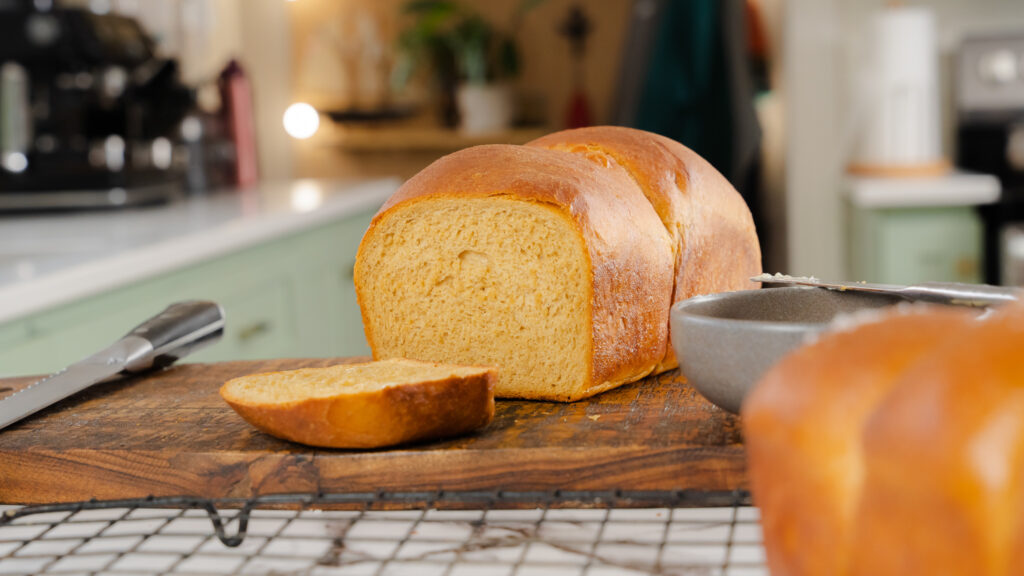
This is the kind of homemade brown bread I love: soft, slightly sweet, deeply flavoured with molasses, and just begging for a swipe of melted butter while it’s still a little warm. If you’ve been looking for a reliable recipe for brown bread with true Maritime roots, this is one worth keeping.
Make a loaf for Sunday dinner, serve it alongside a hot bowl of soup, or bake it for someone you love. Around here, freshly baked bread is about as close as food gets to a warm hug.
At a Glance
- Recipe: East Coast Brown Bread
- Style: Traditional Maritime molasses bread
- Flavour: Slightly sweet with a rich, deep flavour
- Texture: Soft and tender with a beautiful golden crust
- Skill Level: Beginner-friendly homemade bread
- Perfect With: Butter, breakfast, Sunday dinner or a bowl of soup
- Best Tip: Let the dough rise in the vessel you plan to bake it in, then give the finished bread time to cool before slicing to help retain its moisture.



Ingredients:
- 2 tsp dry active yeast
- 1 tbs packed brown sugar
- 1 cup plus 5 tbs warm water
- 3 cups AP flour You may need a tbs or 2 extra if too wet
- 3 tbs molasses
- 1 tsp salt
- 1 tbs oil any oil works
- 2 tbs melted butter or margarine for brushing
Instructions:
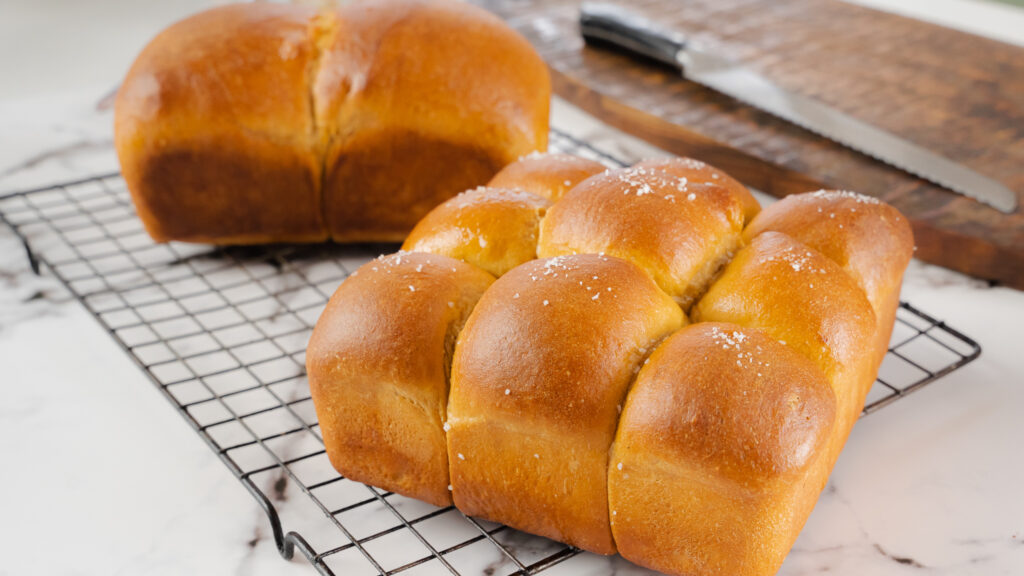
- This recipes makes 9 dinner rolls or one loaf of bread!
- In a bowl add yeast, brown sugar, and warm water. Mix together and set off the side for 10 minutes. Yeast should begin to wake up and froth.
- In a separate bowl add flour, molasses, salt, and oil. Once yeast mixture is nice and frothy, pour into flour mixture and mix together until a shaggy dough forms. Once dough is shaggy, pour onto lightly floured work surface and knead the dough for around 10 minutes or until the surface of the dough is nice and smooth. If you have a stand mixture with a dough hook ,you toss it in there and let the mixer do the work.
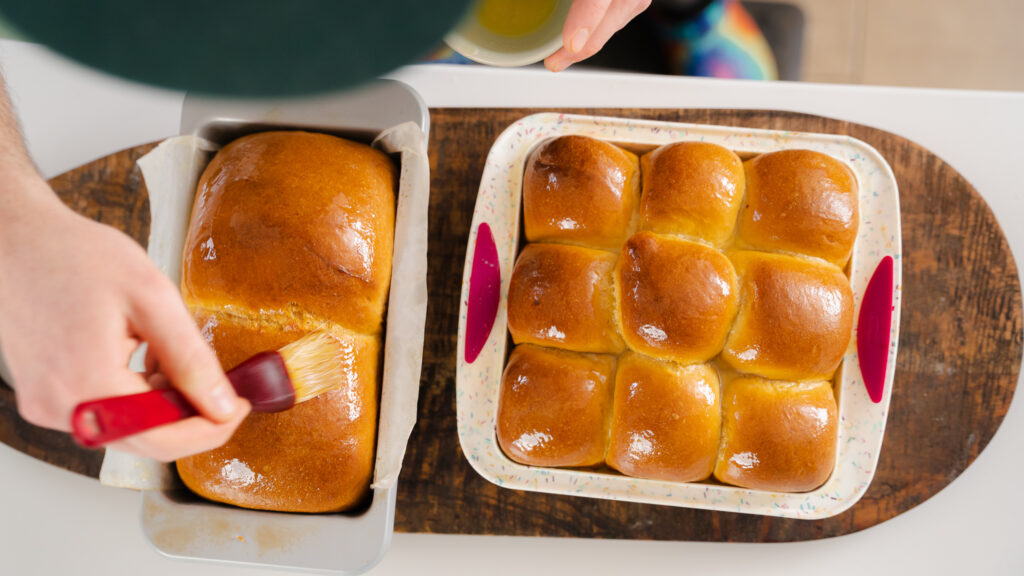
- After the dough is smooth, cut in half and form two nicely formed dough balls. (Or 9 smaller dough balls if making dinner rolls). Place dough balls into parchment lined loaf tin if making bread, or 8×8 inch brownie pan for dinner rolls. Cover with a tea towel and let the dough rest and rise until it has doubled in size. Around 90 minutes. Don't rush this process as this is what gives light, airy dough.
- Once dough has doubled in size, preheat the oven to 375F and brush the dough with melted butter or margarine. Place loaf pan into oven for 30-35 minutes or until the crush is deep golden brown.
- Once cooked, remove from oven and immediately brush on more butter. Pause here and enjoy the smell. Doesn't get better than that.
- Allow the loaf too cool in the loaf tin for 10 minutes before removing. Grab a bread knife, cut your self a thick slice and slather with butter. Pour a cup of tea, and really enjoy this moment. This is happiness to me.
Why East Coast Brown Bread Is a Maritime Classic
If you’ve lived in Nova Scotia, Newfoundland or elsewhere in Atlantic Canada, there’s a good chance you’ve come across some version of this bread before. It’s one of those old-school recipes that gets passed from kitchen to kitchen, with every family making it just a little differently.
That’s part of what makes it special. The basic ingredients may be familiar, but the amounts, technique and little family touches can vary. Ask a few Nova Scotians for their favourite brown bread and chances are you’ll hear a few different answers.
That’s exactly what a regional classic is all about.
What Makes East Coast Brown Bread Different?
East Coast brown bread is known for its subtle sweetness, soft crumb and unmistakable molasses flavour. Unlike a basic white loaf, this bread has a deeper colour and richer taste that makes it just as good toasted the next morning as it is served fresh with dinner.
I’ve baked my fair share of bread here at the East Coast Kitchen, and this recipe isn’t much more complicated than my master dough, which I’ve used for everything from bagels and pretzels to pizza.
The real difference comes down to the ingredients. Brown sugar and molasses give this bread its colour and deep flavour, while the flour and yeast create that soft, homemade bread texture we’re after.

Tips for Nailing This Brown Bread Recipe
1. Let the Dough Rise in the Baking Pan
When making this brown bread, form the dough and let it rise in the loaf pan or whatever vessel you plan to bake it in. This is different from my master dough recipe, where I let the dough rise in a bowl before shaping it.
Give the yeast time to do its thing. Bread doesn’t like being rushed.
2. Butter Is Your Friend
Before the bread goes into the oven, brush the top with melted butter or margarine. It helps create that gorgeous colour on the crust.
I also like to brush a little more melted butter over the bread when it comes out of the oven. It gives the crust a beautiful shine and makes the kitchen smell ridiculously good.
3. Let the Bread Cool Before Slicing
I know. Fresh bread comes out of the oven and every instinct tells you to cut into it immediately.
Try to hold off.
Slicing a loaf while it’s piping hot can allow too much moisture to escape and affect the texture of the crumb. Give the bread time to settle before grabbing the bread knife.
4. Measure Carefully
Bread baking is one place where accuracy matters. Measure your flour, salt, molasses and other ingredients carefully. Even something as small as an extra teaspoon here or there can change the entire texture.

What to Serve With East Coast Brown Bread
Honestly, a warm slice with butter is hard to beat, but this bread is made for hearty meals.
Serve it alongside stew, baked beans or your favourite stew and use it to soak up everything left in the bowl. It also makes fantastic toast the next morning with butter or jam.
If you’re making a loaf for a cold-weather lunch or dinner, pair it with this vegetable soup recipe. A hearty bowl of vegetable soup and a thick slice of homemade East Coast brown bread is pretty much Maritime comfort food at its finest.

East Coast Brown Bread FAQ
What is East Coast brown bread?
East Coast brown bread is a traditional Maritime-style bread typically known for its soft texture, darker colour and slightly sweet flavour.
Why is brown bread brown?
In this brown bread recipe, brown sugar and molasses help give the bread its darker colour and characteristic rich flavour.
What does molasses do in bread?
Molasses adds colour, sweetness and a distinctive deep flavour. It gives this loaf much more personality than a standard white bread without turning it into an overly sweet bread.
Why didn’t my brown bread rise?
First, check your yeast. Old or inactive yeast can prevent the dough from rising properly. Temperature matters too; a very cold kitchen can slow the process considerably.
How do I know when homemade brown bread is done?
The loaf should have a nicely browned crust and be fully baked through the centre. Follow the baking time and temperature in the recipe rather than judging it on colour alone.
How do I keep homemade brown bread fresh?
Let the loaf cool completely before storing it. Once cool, keep it tightly wrapped or in an airtight container at room temperature. Proper storage helps prevent the bread from losing too much moisture.
Can I freeze East Coast brown bread?
Absolutely. Let the bread cool completely before wrapping it well and freezing. You can freeze the whole loaf or slice it first so you can pull out individual pieces for toast whenever the craving hits.
East Coast Brown Bread: Final Thoughts
For me, this East Coast brown bread will always be more than just another bread recipe. It connects me to my mother’s Newfoundland roots, my Nan’s family and the generations of East Coast home cooks who knew that a homemade loaf could make an ordinary meal feel pretty special.
Bake a loaf, let the smell of molasses and freshly baked bread fill the kitchen, then share it with someone you love. Whether you serve it with a bowl of soup, toast it for breakfast or eat a thick slice with melted butter, this is simple East Coast comfort food done right.
Other Recipes You Will Love!
No Knead Double Chocolate Bread
Andy Hay
Andy is the founder of ECK, Chef, and let’s admit it… the reason you’re here. He taught himself to cook, and it all paid off when he secured his spot in the season 5 Finale of Master Chef Canada. Now, Andy uses his big energy to showcase recipes that actually make people want to cook. His brand was built on butter and East Coast charm, and Andy’s kept that same energy ever since. Off-camera, you’ll find him doing what started it all: cooking for his two daughters, wife and the people he loves.
Similar recipes


Rate & leave a comment
76 Comments
— End of comments —
— No more comments to load —
What size is your loaf pan?
I used a 9x 5 for this one, Jules but 8.5 x 4.5 would work fine!
I have successfully made these rolls a few times and what a treat!! My Grammie would serve with baked beans but I love them as a snack with butter. Thank you for a great brown bread recipe!
Love this! And the brown beans sound like the perfect accompaniment to this recipe, Catherine.
I’m curious as to why the recipe only calls for one rise,I’ve made dozens of yeast breads over the years and this is the first time I’ve seen that called for in a recipe!
Hi Mathew! This dough is shaped before its rise, so that single rise acts as the final proof. It’s a simpler method that still gives a light, fluffy loaf. A second rise isn’t necessary for this recipe, but if you’re used to a traditional two-rise method, that works too.
This is the recipe I come back to every time for traditional maritime brown bread! The loaf turns out amazing every time! It’s light and airy and flavour is spot on!
Thanks Michelle! So glad you like this one!
We made this bread today in my stand mixer (doubled the recipe). It needed about an extra 3/4 cup of flour because it was very sticky – maybe I was heavy handed on the wet ingredients.. It turned out amazing – moist, nice tight crumb, and great flavour!
Glad it was a hit, Heather!