
Japanese Salad Dressing That Tastes Just Like the Sushi Spot


Founder / Chef / Everyone’s Best Friend
Andy Hay
Welcome to my kitchen. I hope to inspire you to grow as a home cook!
There’s something magical about that bright, zippy Japanese salad dressing you get at sushi restaurants. You know the one—it’s tangy, gingery, a little sweet, and somehow turns plain lettuce into the best bite of the meal. I love it so much I had to reverse-engineer it at home, and let me tell you: this Japanese ginger salad dressing is now a fridge staple. If you’ve ever pushed your sushi aside just to go back in for more of that salad (no judgment here), then this is the Japanese salad dressing recipe for you. It’s dead simple to make, loaded with fresh, real ingredients, and honestly tastes even better than the restaurant version. And the best part? It comes together in one blender—no fancy tools needed.



Ingredients:
- 3 large garlic cloves
- 1/2 cup fresh ginger peeled and sliced
- 1 medium carrot peeled and chopped
- 1 1/2 large apples peeled and chopped (use your favourite type!)
- 1/2 cup rice vinegar
- 1 tbs miso paste
- 2 tbs white sugar
- 1 tsp sesame oil
- 1 cup olive oil
Instructions:
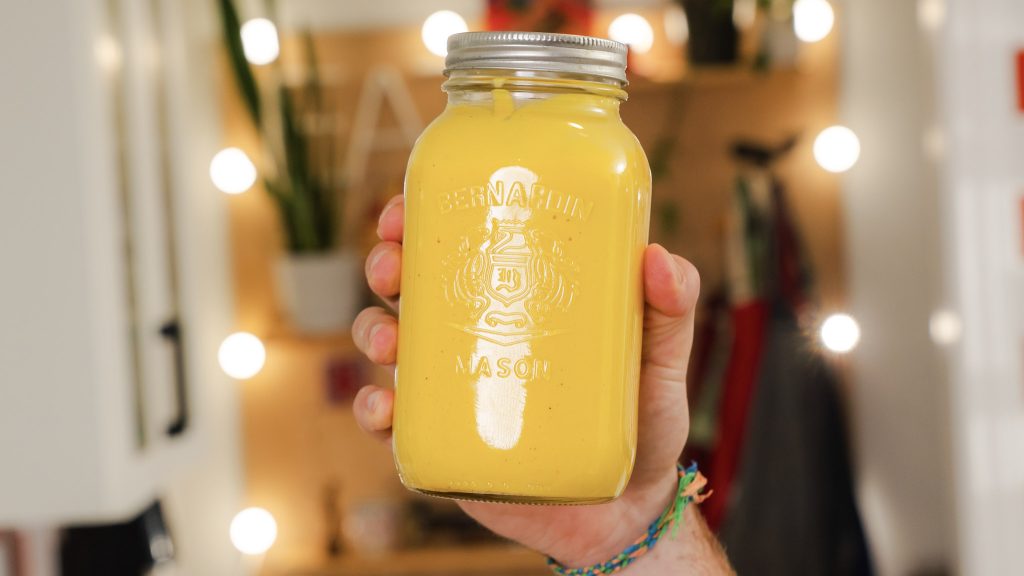
- Place all ingredients in a blender and blend until smooth. Pour into a jar and keep in the fridge. This dressing will last in the fridge for up to 7 days.
What Makes This Japanese Ginger Salad Dressing So Good?
It all comes down to the ingredients. While there are only a handful of them, each one plays a big role in bringing that bold flavour you’re craving. Let’s break it down:
- Ginger – Fresh ginger brings that unmistakable heat and zing. You want it peeled and sliced so your blender or food processor doesn’t have to work too hard.
- Garlic – Just a few cloves go a long way. Garlic gives the dressing depth and a little savoury bite that balances the sweetness.
- Carrots – These add natural sweetness and help with that signature orange hue. Peel and chop them before tossing them in.
- Apples – A little tart, a little sweet, apples help mellow out the intensity of the vinegar and ginger. Use whatever kind you love most!
- Rice vinegar – This is key. It gives that tangy, punchy flavour that makes this a true Japanese restaurant classic.
- Miso paste – The unsung hero. Miso brings that umami bomb of flavour and gives the dressing some nice body.
- White sugar – Just a touch helps balance out the acidity.
- Sesame oil – Adds a nutty, toasty finish that rounds out the whole flavour experience.
- Olive oil – Helps emulsify the whole thing and keeps it pourable and creamy.

Why This Japanese Salad Dressing Recipe Works
I’m a big believer in recipes that just work, and this one checks all the boxes. All you need is a blender, the right ingredients, and a few minutes.
Just toss everything in, blitz until smooth, and pour it into a jar or airtight container for storage. This recipe will keep in the fridge for up to a week (though it rarely lasts that long in my house). It’s a one-bowl wonder that adds instant flavour to pretty much anything.

Japanese Ginger Salad Dressing: Let’s Talk Texture
Texture is a big part of why people love this dressing. That creamy, slightly pulpy finish comes from blending the carrots and apples until they’re silky but still present. If you want it smoother, feel free to strain it or blend a bit longer. If you’re like me and love a bit of pulp, leave it as-is. A good spoon test will tell you when it’s just right—smooth, but not watery, with a nice pourable body.
What to Use It On (Hint: Not Just Lettuce)
Traditionally, this kind of Japanese ginger dressing is drizzled over iceberg lettuce with thinly sliced carrots, cabbage, and cucumber. But that’s just the beginning.
Here’s how I’ve been using it:
- Over grilled veggies or roasted sweet potatoes
- On grain bowls with brown rice and edamame
- Drizzled onto shredded cabbage slaw
- Paired with grilled chicken or salmon for a light protein-packed dinner
- Stirred into cold noodle salads for a killer side dish
- As a dipping sauce for gyoza or tempura (trust me)
It’s also amazing on a simple salad with crisp onion, cherry tomatoes, and thin lemon juice-dressed cucumber slices. The contrast of creamy and crisp makes for a perfect bite every time.

Key Tips for the Perfect Japanese Salad Dressing
If you want to nail that sushi-spot dressing at home, keep these tips in mind:
- Peel your produce: Skip this and you might end up with a grainy dressing. Peel your ginger, carrot, and applesfor a smooth finish.
- Chop before blending: Even if you’ve got a high-speed blender, it’ll thank you for not throwing in whole produce. Smaller chunks = smoother consistency.
- Taste and tweak: Want more sweetness? Add a touch more sugar or try a splash of apple juice. Need more acid? Bump up the rice vinegar or add a squeeze of lemon juice.
- Chill before serving: Like most salad dressings, this one tastes even better after a bit of time in the fridge. It gives the flavours time to meld and makes the whole thing feel extra refreshing.
- Store properly: Pour it into jars or an airtight container, and it’ll last up to 7 days. Just give it a shake before using.

Can I Swap Out Ingredients?
Absolutely. While I wouldn’t skip the ginger, garlic, or miso, you can play around with the rest:
- Sub peanut oil for olive oil if you want a nuttier finish.
- Swap honey for sugar if you’re looking for a more natural sweetener.
- Add a tablespoon soy sauce if you want more umami and salt.
- Feeling fancy? Try adding a splash of toasted sesame oil for extra depth.
This is your dressing now—make it your own.
A Word on Nutrition
This Japanese salad dressing recipe isn’t just flavourful—it’s got some solid nutrition points too. With fresh fruits and veg, heart-healthy olive oil, and probiotic-rich miso, it’s a feel-good addition to your weekly lineup.
Keep in mind, though, that store-bought versions can often have added preservatives or a ton of sodium. That’s why making it yourself is such a game-changer. You control what goes in, and it couldn’t be easier to whip up a batch in 5 minutes.

Final Thoughts
Look, I’m not saying this dressing will replace your favourite sushi spot’s version—but it’s close. And when you make it yourself, you get to enjoy those bold, zingy flavours anytime you want, not just when you order takeout.
If you’ve never made your own Japanese ginger dressing before, this is your sign to give it a try. One blender, a few humble ingredients, and a bit of fridge space is all you need to unlock next-level salads, bowls, and sides.
So go ahead—make this, stash it in a jar, and thank me later. This one’s going into regular rotation at my place.

Other Recipes You Will Love!
Homemade Basil Vinaigrette Dressing
Spicy Salmon Rice Muffins (Easy Sushi Cups at Home)
Andy Hay
Andy is the founder of ECK, Chef, and let’s admit it… the reason you’re here. He taught himself to cook, and it all paid off when he secured his spot in the season 5 Finale of Master Chef Canada. Now, Andy uses his big energy to showcase recipes that actually make people want to cook. His brand was built on butter and East Coast charm, and Andy’s kept that same energy ever since. Off-camera, you’ll find him doing what started it all: cooking for his two daughters, wife and the people he loves.
Similar recipes


Rate & leave a comment
33 Comments
— End of comments —
— No more comments to load —
Hi, I love your recipes! In the video,. It says half a cup of oil but in your written recipe you list one cup of oil I’m wondering, which is correct? Thx!
Hi Cece, it’s 2:1 ratio for oil to vinegar (so 1 cup oil to 1/2 cup vinegar). Hope that helps!
So made this dressing for dinner, well actually made it 2 days ago. My question, when I was ready to serve the dressing it was very thick. So should I have taken it out of the fridge a few hours before? I did put it in the microwave for 15 seconds
Husband enjoyed it which is a winner for me.
You usually just need to give it a really good shake, but taking it out 10-15 min ahead can also speed things up!
Thank you. Love your recipes!
I wonder if you could freeze this? I have some recipes that I freeze in ice cube trays and take out in small quantities as needed…
Glad you enjoyed this one, Sheila! Thanks for sharing!
Love your recipes. Thank you for sharing
I cut the recipe in half. Is the dressing suppose to be sweet? I love the ginger taste. Can hardly wait to try it on a salad. Did not want to waste, if hubby didn’t like it
Thanks for giving it a try, Maryam!
What can we use instead of miso paste?
Hi Mary, if you don’t have miso paste on hand, you can try soy sauce or tamari, or even anchovy paste (sparingly…like 1/2 tsp). Let me know how it goes!